
How DTF Is Changing Custom T-Shirt Printing in Sri Lanka
DTF printing makes small, full-colour custom clothing orders practical on cotton and dark garments. See what has changed, where it fits, and how to plan an order from artwork to finished shirt.
In this guide 9 sections
- What was hard about custom clothing before
- What DTF changes for custom t-shirt printing in Sri Lanka
- Where DTF clothing fits in Sri Lanka
- Planning a custom clothing order, step by step
- What a small order costs in transfers
- A quality checklist before you hand over
- What DTF does not change
- Frequently asked questions
- Start your custom clothing order
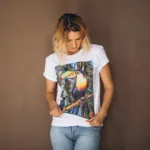
Not long ago, getting a small batch of printed clothing made usually meant compromise. You could have a full-colour design or a dark t-shirt, a low quantity or a low price per piece, but rarely all of them together. DTF (direct to film) printing has changed that for custom t-shirt printing in Sri Lanka, and it has opened the door for home-based sellers, tuition classes, clubs and small brands to produce professional clothing without large minimum orders.
This article looks at what has actually changed, where DTF fits best, how to plan a custom clothing order from design to finished shirt, and what to check so the result looks and wears well.
What was hard about custom clothing before
The older methods each had a limit that got in the way of small, varied orders:
- Screen printing needs a separate screen for each colour. That set-up is worthwhile for large runs, but it makes a 15-shirt order with a six-colour design expensive per piece.
- Sublimation produces vivid, soft prints, but only on white or light polyester. It cannot print on cotton or dark fabric.
- Heat transfer vinyl is great for text and simple shapes, but every colour is a separate layer to cut, weed and press, so detailed artwork takes a long time.
For anyone selling a few shirts at a time, or making one design in several garment colours, none of these was a comfortable fit.
What DTF changes for custom t-shirt printing in Sri Lanka
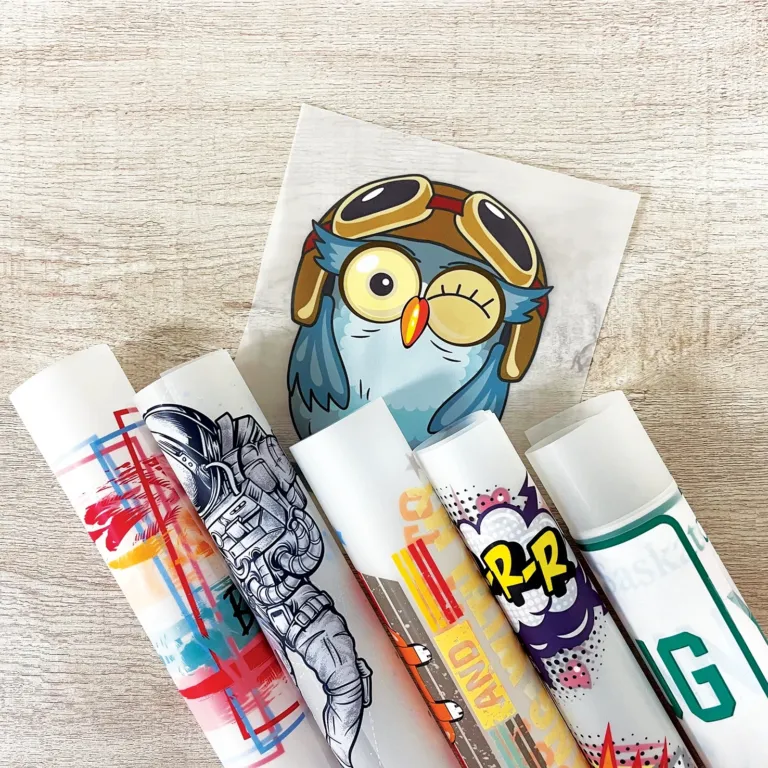
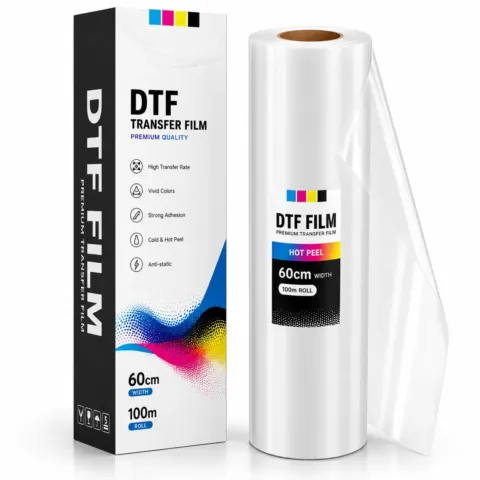
DTF prints your design onto film with colour ink backed by white ink, adds an adhesive powder, cures it, and produces a transfer that you heat-press onto the garment. That simple change removes several of the old barriers.
1. No set-up cost per colour
A photograph, a gradient or a six-colour logo costs the same to print as a single-colour design of the same size. Designers are no longer forced to simplify artwork to keep the price down.
2. Dark and light garments with the same transfer
The white ink layer means a design looks bright on black, navy or maroon as well as on white. For an inter-house sports meet, one transfer design can go onto every house colour.
3. Cotton, polyester and blends
DTF works on cotton, polyester and cotton–polyester blends, and our pressing guide also covers nylon and leather. You choose the garment for comfort and budget, not because it is the only fabric your print method accepts.
4. Small and mixed orders make sense
Because there are no screens, printing five designs in small numbers is as straightforward as printing one design many times. Several designs can share one gang sheet, so a family homecoming set with a different name on each shirt is practical.
5. Print now, press later
Transfers can be stored flat and pressed when an order arrives. A seller can keep ready transfers of their best designs, and blank shirts in the common sizes, instead of holding boxes of printed stock that may not sell.
6. You do not need to own a printer
This is the change that matters most for people starting out. You can send artwork to a DTF printing service, collect the transfers and press them yourself with a heat press. That keeps your equipment needs small while you find out what sells.
Where DTF clothing fits in Sri Lanka
Here are the kinds of orders where DTF tends to suit the job well:
- School and inter-house events: sports meet t-shirts, prefect and society shirts, and batch t-shirts for leaving students.
- Tuition classes: branded t-shirts for students and staff, often in small quantities per batch.
- Clubs and big-match season: supporter t-shirts for cricket and other sports clubs, or old boys’ and old girls’ groups.
- Religious and community occasions: matching t-shirts for dansal volunteers during Vesak or Poson, or for organising teams at community events, designed with respect for the occasion.
- Family occasions: weddings, homecomings, birthdays and reunion trips, where each shirt may carry a name.
- Company events: staff outings, product launches and team t-shirts.
- Small clothing brands: testing new designs in small numbers before committing to larger runs.
- Souvenir t-shirts: local artwork and place names for tourism-focused shops.
Planning a custom clothing order, step by step
- Collect the details. Quantity per size and colour, print positions (front, back, sleeve, pocket), and the date it is needed. Use our t-shirt size and fit guide so customers choose sizes correctly.
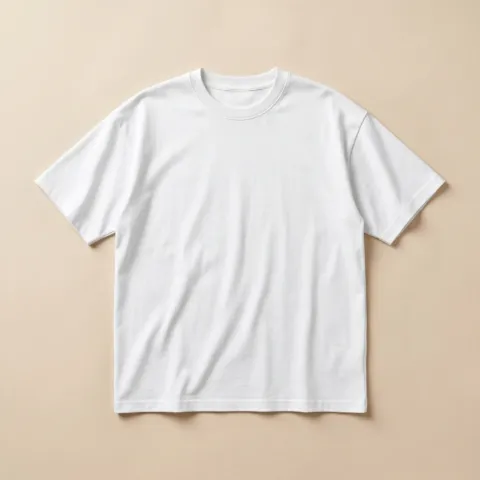
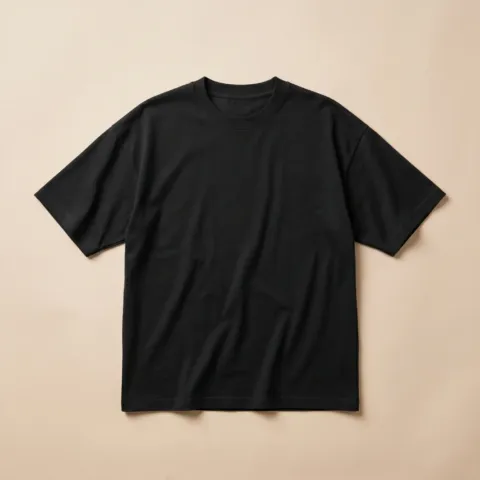
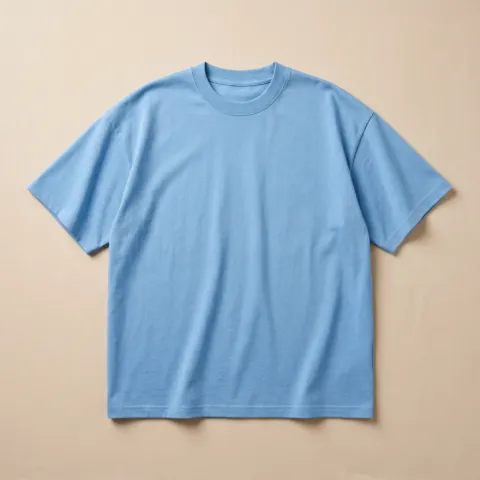
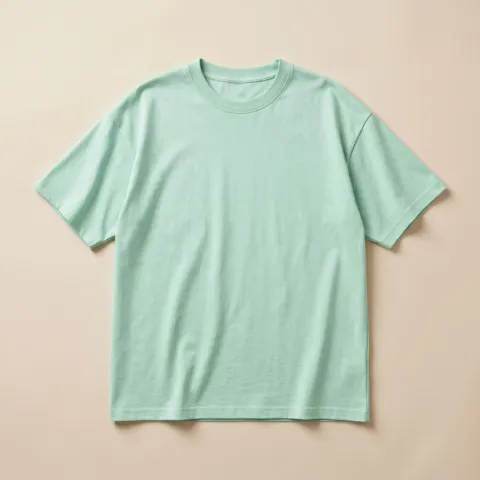
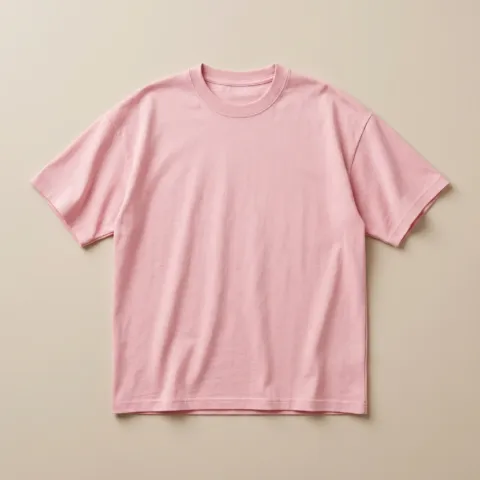
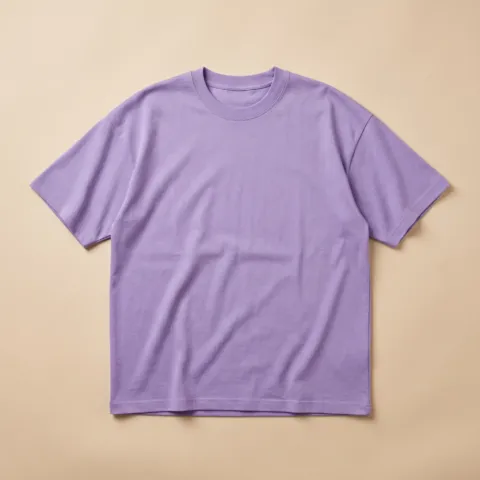
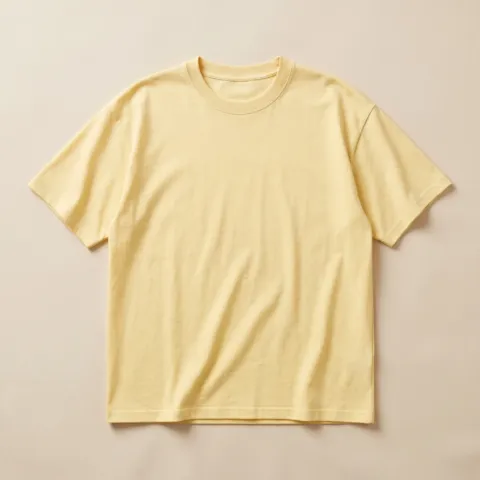
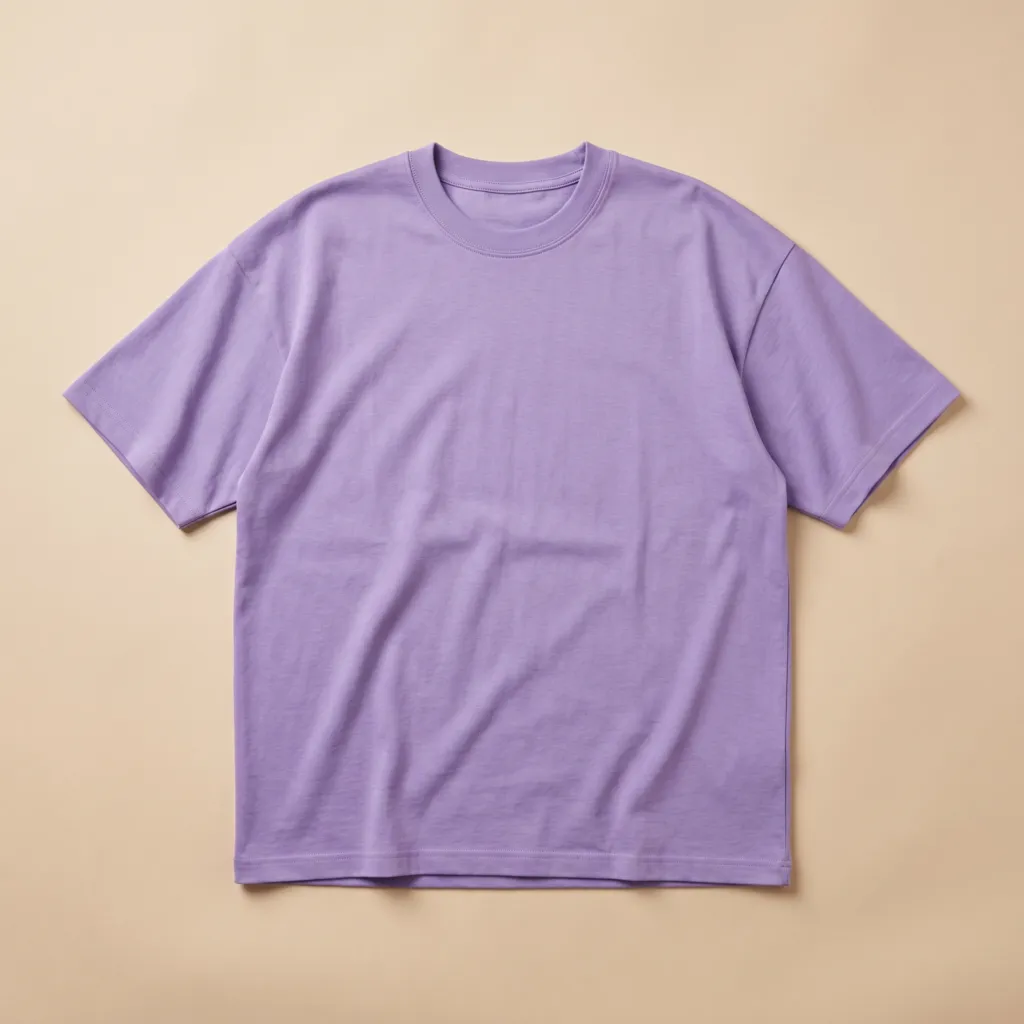
- Choose the blanks. Our 220 GSM premium cotton t-shirts come in black, white, light blue, light green, light pink, light purple and light yellow, in sizes S to 3XL. Ask on WhatsApp for today’s price.
- Prepare the artwork. Transparent PNG, 300 DPI, actual size, CMYK, fonts converted to outlines, 0.25″ safe margin, not mirrored. Full details are on our DTF artwork requirements page.
- Pick the print size. Designs up to 8″ × 11″ fit an A4 sheet; up to 11″ × 16″ fit an A3 sheet. Small designs such as pocket logos are usually more economical on a gang sheet.
- Send the file and order. Check it carefully first. Orders are printed from the file you send, and changes cannot be made once printing starts.
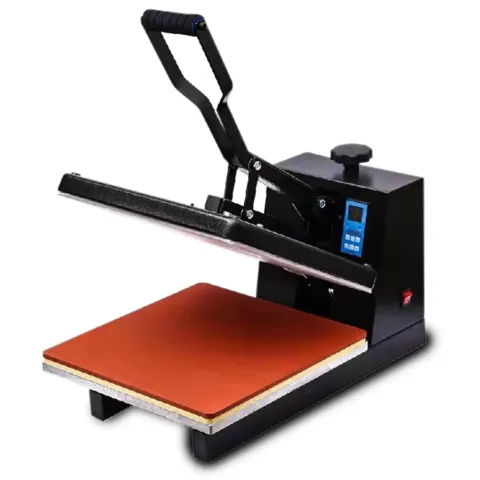
- Press the transfers. For cotton, 160 °C for 25 seconds with firm pressure, then let it cool completely before peeling. Test on a spare shirt first.
- Check, fold and pack. Inspect each print’s edges, then fold and label shirts by size before handing over.
What a small order costs in transfers
These are our published DTF prices at the time of writing; check the DTF printing page for today’s price.
| Size | Print area | Price | Bulk price |
|---|---|---|---|
| A4 sheet | 8″ × 11″ | LKR 240 per sheet | LKR 200 from 51 sheets |
| A3 sheet | 11″ × 16″ | LKR 450 per sheet | LKR 400 from 51 sheets |
| Gang sheet, 11″ wide | 11″ × 39″ | LKR 1,200 per metre | LKR 1,000 from 16 m |
| Roll, 22″ wide | 22″ × 39″ | LKR 2,400 per metre | LKR 2,000 from 16 m |
Worked example: 30 tuition class t-shirts
A tuition class orders 30 t-shirts with a front design inside 8″ × 11″ and a small logo on the back.
- Front prints: 30 A4 sheets × LKR 240 = LKR 7,200.
- Back logos: grouped on one gang sheet metre at LKR 1,200. Small logos of around 3″ × 3″ with space around each can fit 30 on a metre, depending on spacing.
- Total transfers: LKR 8,400, or LKR 280 per shirt.
- Blank t-shirts: 30 × your quote per shirt.
- Pressing time, packing and delivery: your own figure.
Add those together, divide by 30, and you have your cost per shirt. Our guide to pricing printed t-shirts, mugs and gifts shows how to turn that into a selling price.
A quality checklist before you hand over
- The print is centred and straight, at a sensible height below the collar.
- Edges are fully bonded, with no lifting when you run a finger across them.
- No shine or scorch marks on the fabric around the print.
- Small text is sharp and readable.
- Sizes match the order list.
- Care advice is included: wash inside out in cool water and do not iron directly on the print.
What DTF does not change
DTF is a strong tool, but it does not remove the basics. Good artwork still matters, because a blurry file makes a blurry print. Pressing still needs care and a reliable flat-bed heat press. Very large solid prints can feel heavier than the shirt, and all-over prints on white polyester sportswear are still better done by sublimation. For a full comparison, read DTF vs sublimation vs screen printing vs HTV.
If you want to turn custom clothing into a business, our guide to starting a t-shirt printing business in Sri Lanka covers the next steps.
Frequently asked questions
Is there a minimum order for DTF printing?
DTF has no screens or plates to set up, so small orders are practical. Our bulk prices start from 51 sheets or 16 metres, but you can order fewer at the standard price.
Can I put different names on each t-shirt with DTF?
Yes. Because every design is printed digitally, each transfer can carry a different name or number. Grouping them on a gang sheet keeps the cost down.
Which t-shirt fabric is best for DTF prints?
DTF works on cotton, polyester and blends. Cotton is a popular choice for comfort, and our 220 GSM premium cotton blanks are the ones we include in our DTF t-shirt starter package.
Does Print Right sell blank t-shirts for custom printing?
Yes. We stock 220 GSM premium cotton t-shirts in black, white and several light colours, in sizes S to 3XL. Ask on WhatsApp for today’s price.
Start your custom clothing order
Send your artwork, quantities and sizes to us on WhatsApp at 077 762 8679, and we will help you choose the right print size and blanks. You can collect from our showroom at 382 Galle Road, Colombo 06, or ask about delivery.